Here at Mill View Stables we have a very different approach to horses compared to many yards. Our primary ethos is that there is no such thing as a bad horse. You will never hear us tell an owner to dominate their horse or call a horse bad, moody, narky, mareish or any other vulgar insult that is often used to describe a horse when unwanted or pain related behaviours are presented.
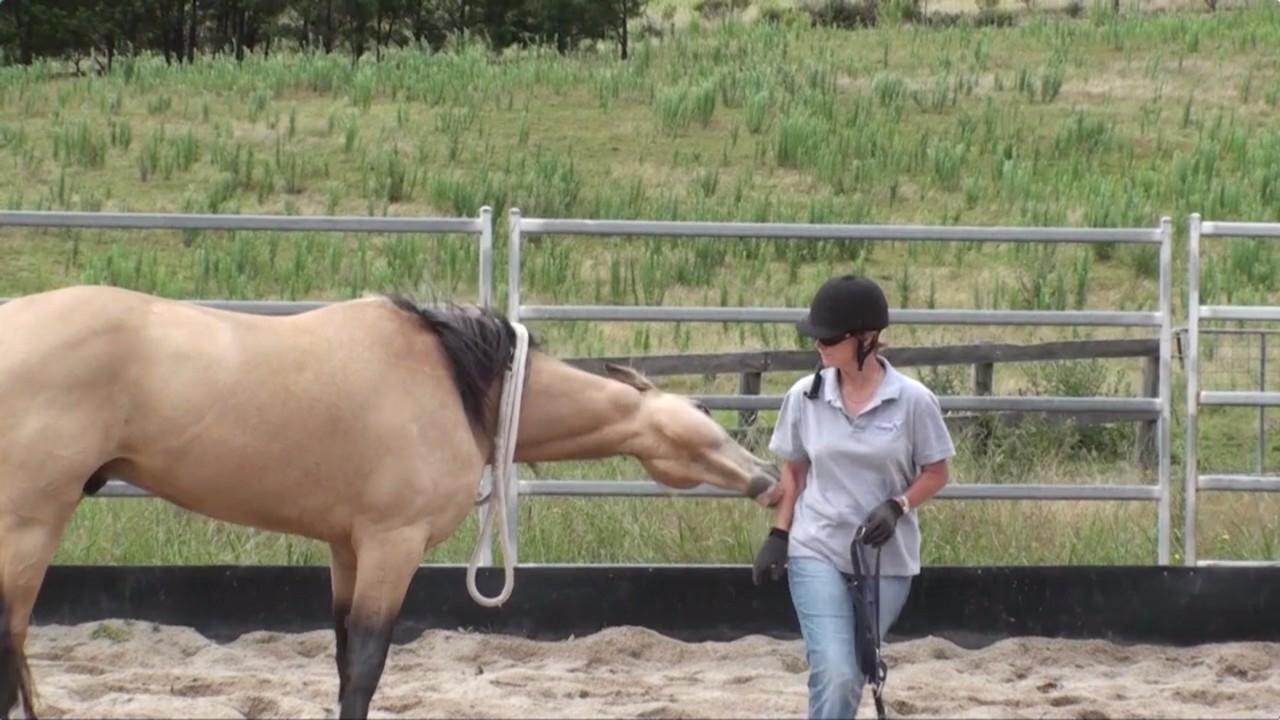
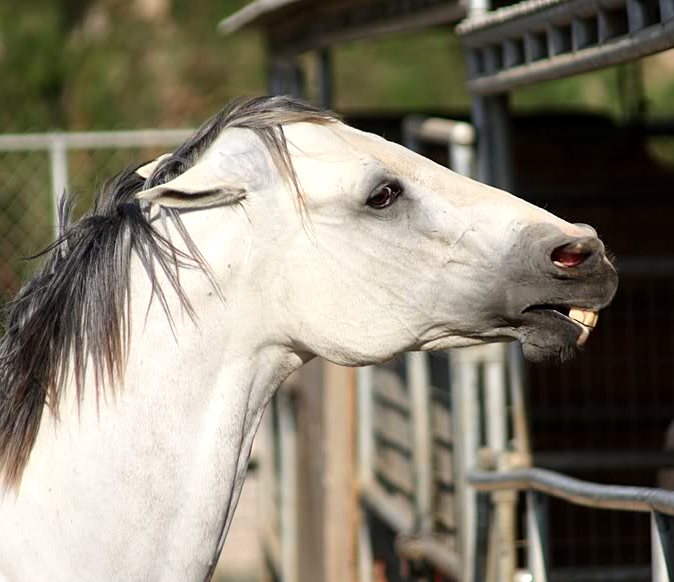
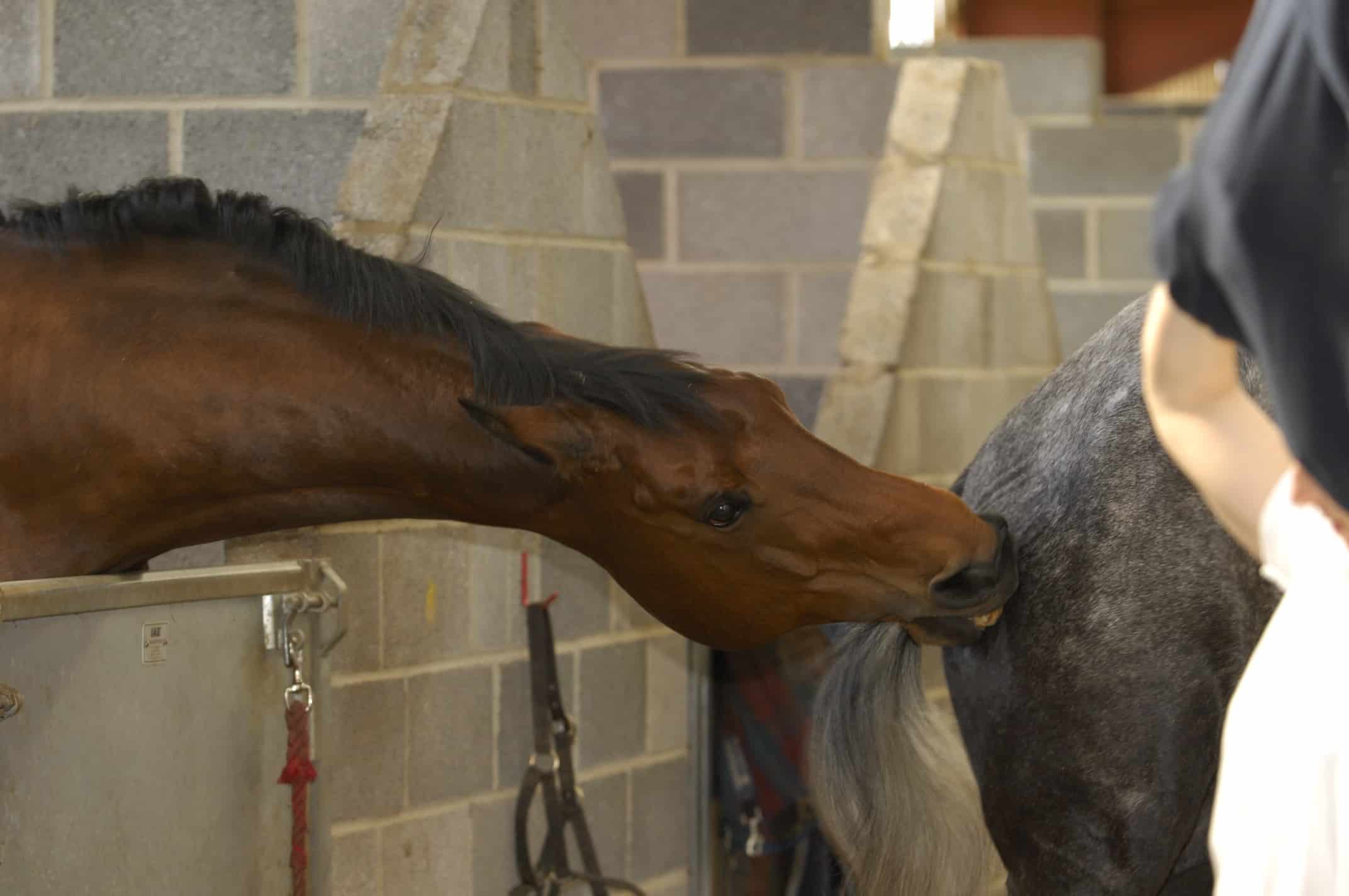
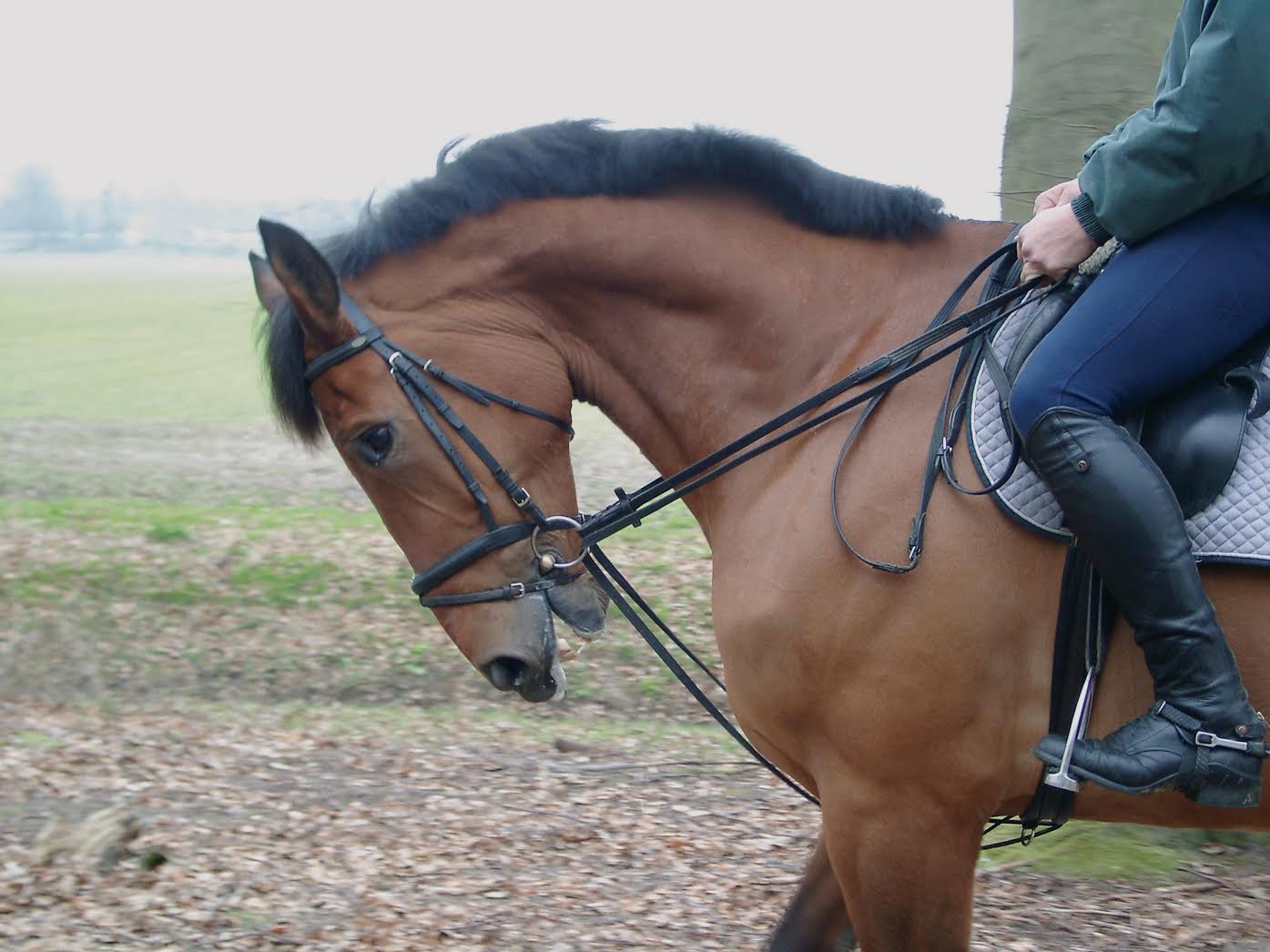
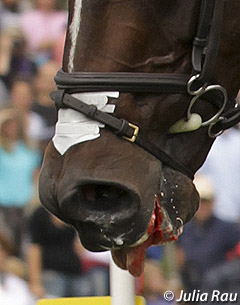
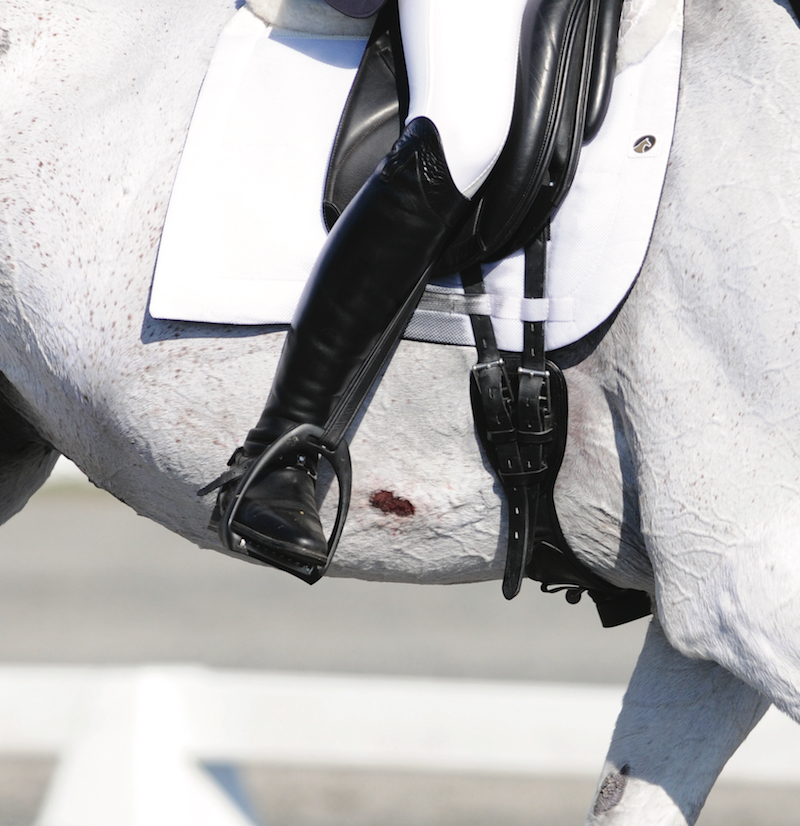
Many trainers use fear based training; with force, punishment and painful equipment used to train horses. We have all seen trainers pulling horses heads in with draw reins and bits, clamping the jaw and noses shut with tight nosebands and flashes, kicking every stride while calling the horse lazy. Sometimes working horses beyond exhaustion until they are dragging their hooves and their heads are on the floor. This is what fear based training looks like. When any unwanted or pain related behaviours appear, the only tools a fear based trainer has is more force, punishment and painful equipment. Fear based training, could work in the immediate short term, e.g. getting a horse to get over a jump, is not a solid foundation to base your training methods on.

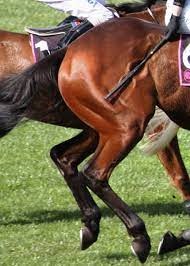
Firstly, the trainer will need to make sure they are always the scariest thing around, as they are teaching the horse to react to a fear stimulus. Therefore, if your horse comes across something it finds more frightening, (a tractor, ditch or plastic bag) the horse will defer to the new stimulus and isn’t going to respond to the “aids”. As the horse has only been taught to respond to fear.
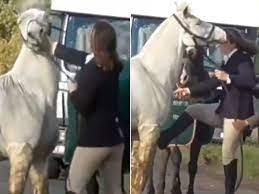
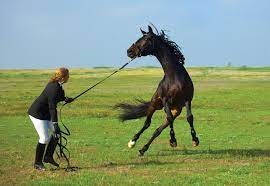
Fear based training instils no confidence in the horse. It keeps horses under immense stress and pressure. This puts an extreme load on the endocrine system, which will not only be making your horse ill but be putting the adrenal glands under constant strain. Overproducing the stress hormones, adrenaline and cortisol. This keeps the horse in a constant state of fight or flight. Often leading to extreme/violent outbursts of behaviour that seemingly come out of nowhere. This is due to the horse being unable to cope with the situation and with the excessive amount of stress hormones throughout the horse’s body, the horse reacts explosively under the strain. Normally this results in the horse being labelled as a dangerous or bad horse, when it is actually an animal in crisis that has been training incorrectly.
Fear based training also stops any communication from the horse to the rider. As a horse doesn’t speak English, they only have their behaviour to communicate with. Horses are often punished for displaying unwanted or pain related behaviours, so they learn to stop communicating discomfort to a rider. The horse submits to the training and hides all discomfort or pain until the horse can no longer do so. Either resulting in a lameness which could be sudden, intermittent or chronic, or outbursts of extreme/violent behaviour. Fear based training exploits the horse’s natural instincts to hide or mask pain. As they are a prey animals, they have a high pain threshold which is a survival trait to help them avoid being picked off by predators.

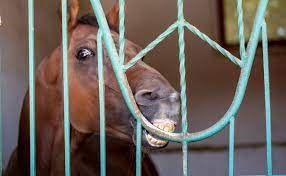
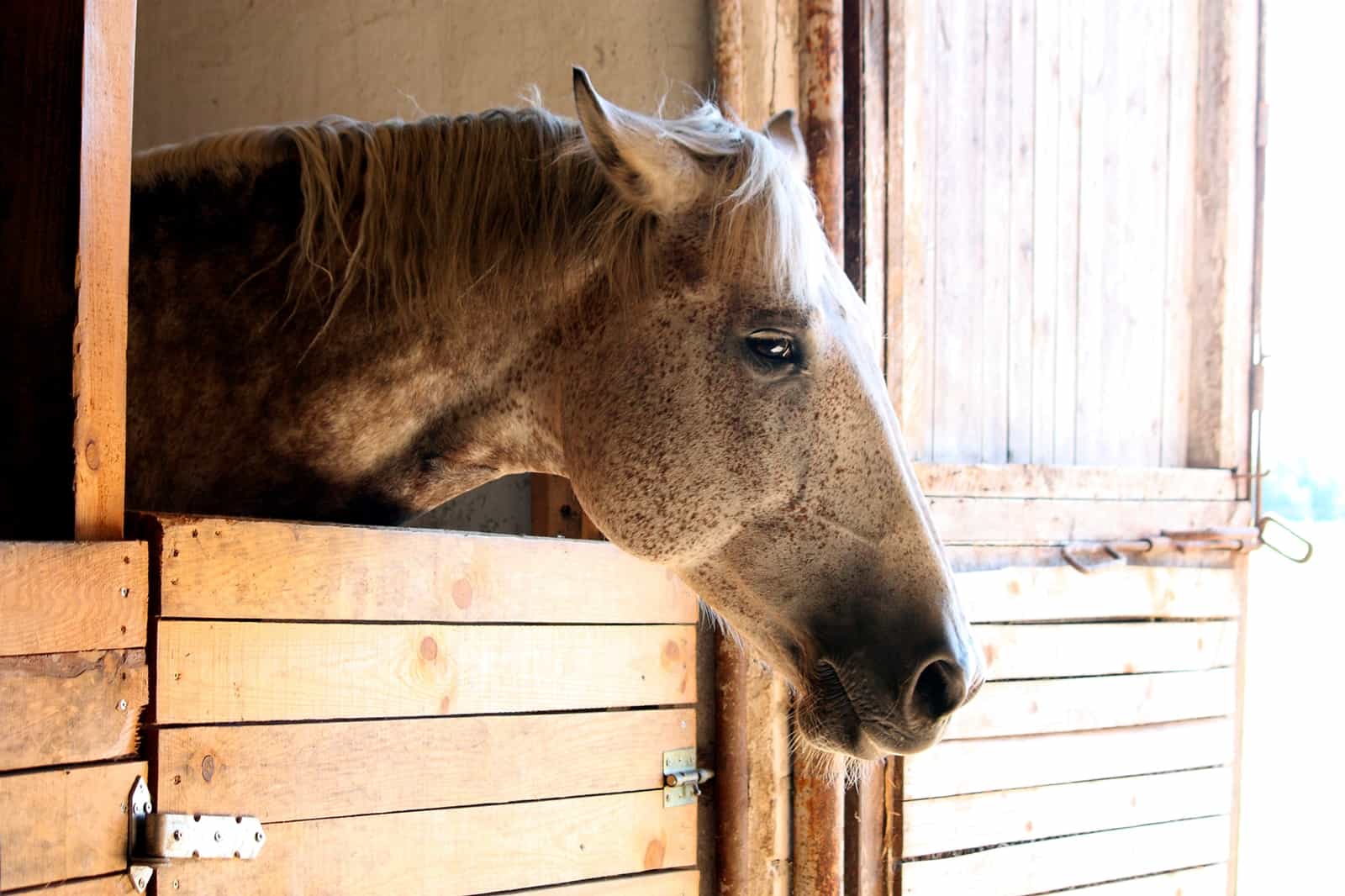
One of the saddest parts of using fear based training is the depression and hopelessness it inflicts on horses. We have all seen horses with a blank look in their eyes and that are completely switched off to everything around them. I have found these horses tend have the kindest and sweetest natures. They just tolerate this bullying training, becoming numb and just put up with their treatment. Which honestly breaks my heart.
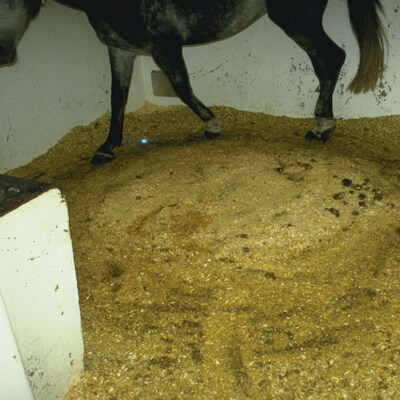
I have found that fear based training makes everything worse in the long run. With horses having to be retired at a young age due lameness. Suffering from overloading injuries, such as tendon ruptures and tears. Exhibiting behavioural problems that cannot be overcome and developing stress disorders that cannot be managed. Some horses end up being euthanised as they have simply run out of other options.
I feel that most horse owners don’t want to use fear based training, but don’t know there is another way to do things. This industry is terrible for perpetuating this belief. Not only in the training, competition and social media sectors but also in the tack, equipment and feeding industries as well. These are billion pound industries that tell owners if there is a problem they have a quick fix solution. Whether it’s a feed to give you more energy, then a bit that will stop your horse, a supplement to stop them from being wired and spooky, or a gadget to make them work “correctly”. Owners are constantly fed the idea that any behaviour you don’t want means your horse is bad and force is the answer.

There is no encouragement to ask why?
Why is my horse presenting this behaviour? Why is riding my horse so unenjoyable? Why is my horse so nervous? Why am I always fighting with my horse? Why is my horse so lazy? Why does my horse refuse spreads? Why am I frightened of my horse? Why does my horse hang on my arms and shoulders? Why won’t my horse load on the trailer/lorry? Why am I so unhappy with my horse? Why? Why? Why..?
Most trainers don’t know the answers to these questions or even think them relevant to ask. I have found that owners that do ask these questions are given answers such as “he’s just evading you”, “she’s like that ‘cos she’s a mare”, “he’s just stroppy today”, “he’s just being bad and won’t do it”, “that’s just the way it is”. At times questions are even ignored. There is a real stigma in the horse world about saying “I don’t know”. If more trainers said “I don’t know why this is happening” it not only opens the area up to more investigation, but stops the uses of fear based training techniques on horses that are struggling with their workloads.
At Mill View Stables we look deeper into horse behaviour. From my experience I have found there are only 2 reasons why a horse won’t do what you’re asking of it. Either, it doesn’t understand what it has to do or it physically can’t do it.
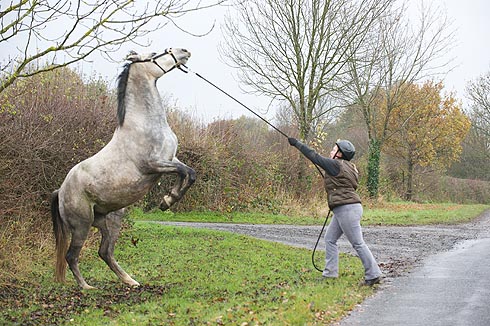
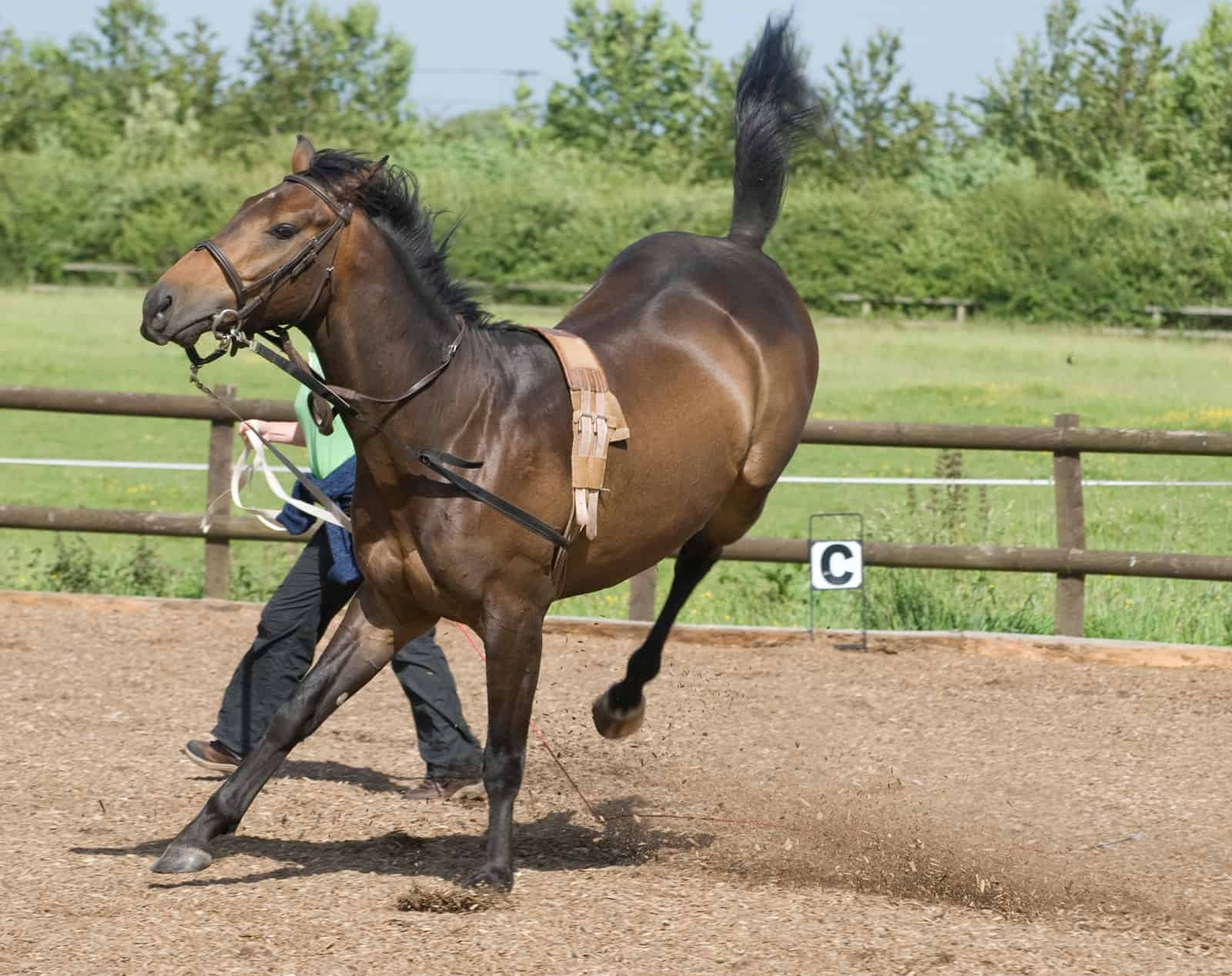
When a horse doesn’t understand what it must do, it’s a training issue. With a calm and holistic view of horse training, a solution can normally be found. It takes consistency and patience. As well as correct timing of the aids and when to release them. Its crucial that the horse is allowed to set the pace of its training. As we believe this creates trust and confidence, making horses happy and willing to learn, and stops the horse for being overwhelmed triggering old stress responses. Training in this way gives them the best chance of being successful ridden horse.

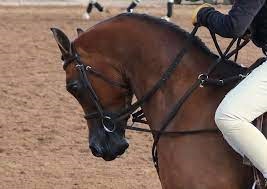

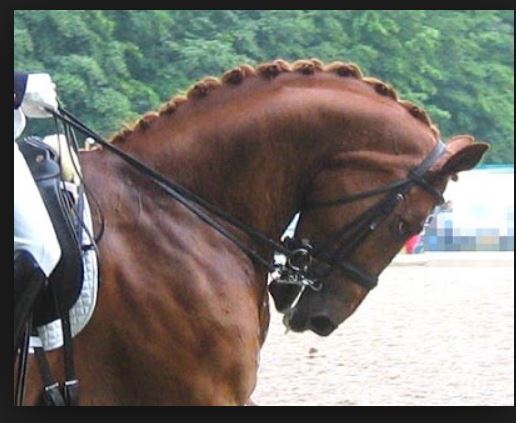
If a horse can’t physically do what is being asked of it, this is a much bigger problem. As the issue could lay in so many different areas. Under the umbrella term of the horse not being physically able to do what’s being asked comes physical fitness, ability, strength and existing injuries. Ability to carry the weight of the rider, hoof balance and feeding. All pieces of tack and equipment. Management, stress and pain. Pain is the most common reason why a horse can’t physically do something. It takes very good diagnostic skill and recognition of pain signals to help with these issues. The whole of the horse must be considered, and changes made incrementally to see where the issue lays. With a few lifestyle changes and comfortable tack many horses make a huge improvement, as unwanted or pain related behaviours disappear. With the root cause of the behaviour being addressed. Other horses may need some medical attention such as vet, dentist, chiropractor, farrier or body worker to help alleviate the root cause. Some horses need retaining to work biomechanically correctly. This builds strength and flexibility, so carrying a rider is easy and pain free. In some cases, the root of the problem is so severe that some horses can’t become ridden again, in these cases just improving their quality of life and getting the horse pain free has it’s own reward.
Throughout my career I have gained many different techniques and training methods which allows me help owners to do things another way. If you feel open to looking at horse training in a different way, you could try the Mill View Method …
 Mill View Stables and Saddle Flocking